- info@islamacademics.com

- Sunrise At: 5:15 AM
- Sunset At: 4:50 PM
- Let’s Talk +https://wa.link/c9rx15

Hello world!
Hello world!
Welcome to WordPress. This is your first post. Edit or delete it, then start writing!
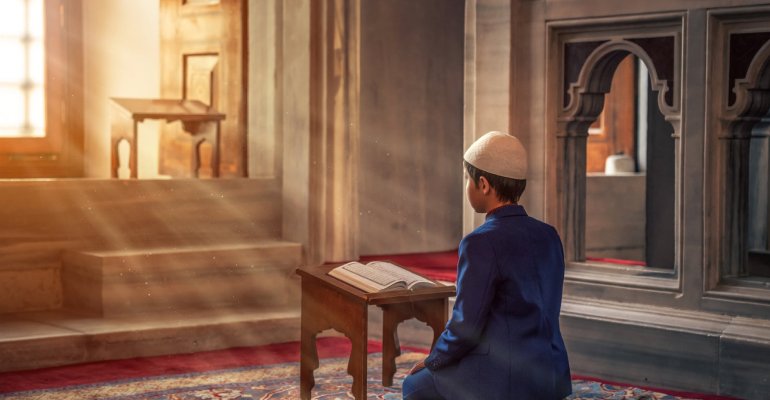
Islamic Studies For Kids And The Prophet Sunnh
Islamic Studies for children is designed to nurture faith, character, and understanding of the Prophet’s Sunnah. These lessons help young learners connect with the Qur’an, practice daily worship, and adopt values that shape their lives according to Islamic teachings. Qur’an and Arabic Learning Children begin with basic Arabic to understand the words of the Qur’an. […]
What Are The Condition Of The Shahadah In Islam
📖 Meaning of the Shahadah The Shahadah is the testimony: “La ilaha ill-Allah, Muhammadur Rasul-Allah” (There is no deity worthy of worship except Allah, and Muhammad is the Messenger of Allah). It is the first pillar of Islam and the key to Paradise, but only when its conditions are met. ✅ Conditions of the Shahadah […]
Ten Matters Which Invalidate A Person’s Islam
Ten Matters That Nullify Islam # Matter Explanation 1. Shirk (Associating partners with Allah) Worshipping or calling upon others besides Allah, such as saints, graves, or jinn. 2. Intermediaries Setting up intermediaries between oneself and Allah, asking them for intercession or relying on them. 3. Doubting disbelief of polytheists Not considering mushrikun (polytheists) as disbelievers, […]
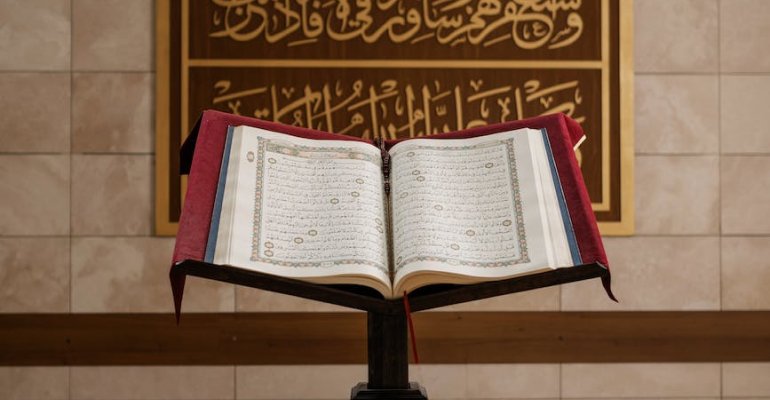
The Qur’an On Deep Seas And Internal Waves
The Qur’an (Surah An‑Nur 24:40) describes the deep seas as places of layered darkness, covered by waves upon waves, and clouds above them—an image that modern oceanography confirms with the discovery of internal waves beneath the surface waves. Qur’anic Verse Allah says in the Qur’an: “Or [the unbelievers’ state] is like the darkness in a […]
The Purpose Of Revelation Of The Holy Quran
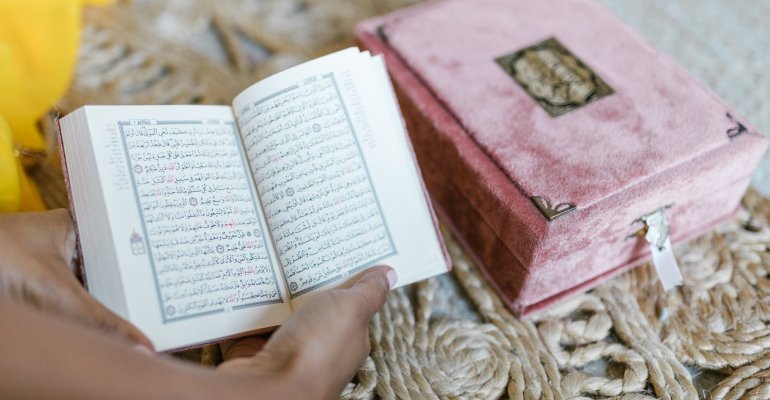
The Holy Qur’an was revealed as divine guidance to mankind: to affirm the Oneness of Allah, reject false deities, provide moral law, narrate lessons from past nations, and finalize prophethood with Prophet Muhammad ﷺ. It serves as a complete way of life, a source of law, and a reminder of accountability on the Day of […]
Types Of Khawf (Fear) And Tawakkul (Reliance) In Islam
In Islam, Khawf (fear) and Tawakkul (reliance) are essential acts of worship, each with distinct types. Khawf is divided into haram (impermissible), mubah (permissible), and wajib (obligatory) categories, while Tawakkul is divided into wajib (complete reliance on Allah), mubah (permissible reliance on others), and minor shirk (excessive reliance on creation). Types of Khawf (Fear) Type […]
Abandoning Prayer – Why To Avoid At All Costs?
Abandoning prayer (Salah) is considered one of the gravest dangers in Islam because it undermines the very foundation of faith. The Qur’an and Sunnah emphasize that prayer is the dividing line between belief and disbelief, and neglecting it can lead to spiritual ruin. Why Prayer Is Central Second Pillar of Islam: After the Shahadah, Salah […]